


Hot, Awake, and Overwhelmed? A New Way to Sleep Through Perimenopause & Menopause


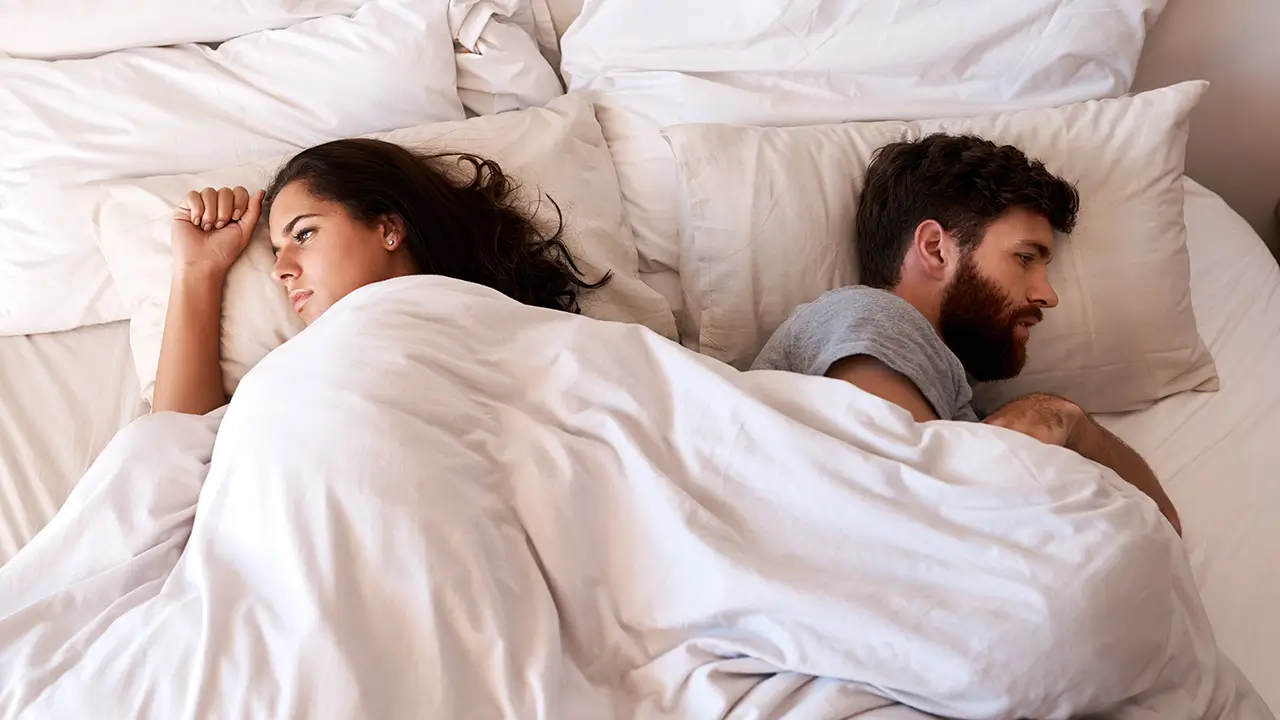
There comes a moment in perimenopause or menopause when many people admit something they never expected: “I’m starting to dread my bed.” Not because the bed isn’t comfortable or because you don’t want sleep, but because nighttime has turned into a guessing game. Will you fall asleep only to wake up overheated? Will your brain switch on at 2 or 3 a.m. as if someone flipped an internal switch? Will your body be hot, cold, or somehow both? The unpredictability wears you down.
Mornings don’t help much either. Many people wake feeling foggy, irritable, or instantly behind. Physical changes show up in surprising ways — skin that feels different, hair shedding more noticeably, joints protesting without warning, digestion behaving unpredictably. Even intimacy may feel unfamiliar, as if your body quietly updated the manual without looping you in.
Underneath all of this sits a quiet, honest question many people carry:
“Where did the old me go?”
The truth is the old you hasn’t disappeared. Your body is simply rewriting multiple internal systems at once, and sleep happens to be one of the most affected. Once you understand what’s happening, you can begin to rebuild your nights in a way that feels supportive instead of discouraging.
Why Perimenopause &Menopause Disrupt Sleep (The Science, Simply Explained)
Sleep difficulties during perimenopause and menopause are extremely common. Research from the NHS, Sleep Foundation, and menopause specialists shows that up to 70% of people in this transition experience meaningful sleep changes.
Estrogen begins to fluctuate and eventually decline, which makes your internal thermostat more reactive. Hot flashes and night sweats can pull you out of sleep in seconds because your hypothalamus is recalibrating and hasn’t found its new baseline.
In short: as estrogen fluctuates, your internal thermostat becomes jumpy — one minute you’re asleep, the next you’re a human toaster.
Progesterone, which helps calm the brain through its support of GABA, also decreases. Sleep becomes lighter, and small disturbances can wake you more easily. Meanwhile, cortisol — your stress hormone — may spike at night instead of in the morning, creating those sudden “wide-awake at 3 a.m.” moments.
In short: with less progesterone to soothe things and cortisol misbehaving, your brain becomes a lighter sleeper with a quicker alarm system.
Melatonin naturally declines with age as well, reducing your brain’s “time to sleep” signal. Add physical symptoms like joint aches, headaches, restless legs, digestive changes, and vaginal dryness, and sleep can feel unpredictable at best.
In short: melatonin dips and physical discomforts mean the signals that once guided sleep smoothly are now quieter and more easily disrupted.
Sleep Doesn’t Start in Bed — It Starts During the Day
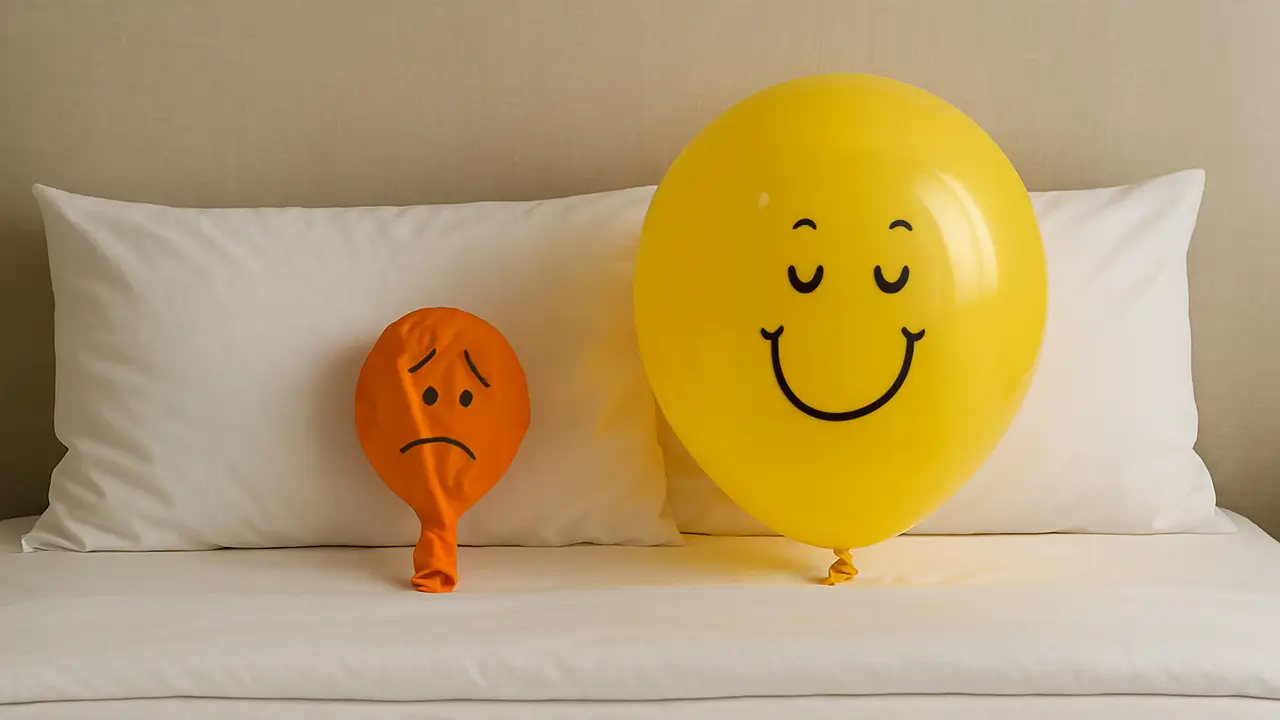
Sleep is built throughout the day, not at bedtime. Your brain gathers “sleep pressure” through light exposure, movement, sensory input, emotional connection, and temperature changes — all of which inflate your internal “sleep balloon.”
When days feel repetitive, stressful, or drained of variety — very common during perimenopause and menopause — the balloon doesn’t fill well. That means nighttime rest becomes harder. Hormonal shifts make your sleep system more sensitive to these daytime factors, which is why movement, daylight, boundaries, and sensory richness becomes especially important during this stage.
Your Sleep Environment Matters — More Than Ever
When your body becomes more sensitive to temperature changes and nighttime awakenings, your sleep environment becomes part of your biological support system.
You don’t need specific brands or materials — you just need bedding and mattresses that help your body stay cooler, drier, and more comfortable. Breathable fabrics, moisture-wicking sheets, adjustable layers, and pillows or mattresses that don’t trap heat can all make a meaningful difference. If you struggle with aches or pressure points, choosing a mattress that offers gentle support can help your body settle more easily.
There’s no single “right” setup — only what helps your body stay comfortable enough to stay asleep. Your goal is simply to create a sleep space that works with your changing biology instead of against it.
Practical Sleep Strategies That Truly Help During Perimenopause & Menopause
Supporting sleep during perimenopause and menopause means working with the new rhythms your body is creating — not the ones you used to rely on. Because hormones now fluctuate unpredictably, sleep becomes more fragile, temperature swings hit harder, and nighttime awakenings come easier. These strategies are designed specifically for the way sleep changes during this transition.
Go to bed only when you’re sleepy.
During menopause, your sleep drive becomes more sensitive to stress, heat, and hormonal shifts. Going to bed only when you feel that true “sleepiness” helps retrain your brain to associate the bed with falling asleep instead of lying awake feeling hot, wired, or frustrated.
If you’re awake too long, get out of bed.
Because nighttime awakenings are more common now, staying in bed while alert or overheating can accidentally teach your brain that the bed is a place of wakefulness. Moving to a dim, quiet space helps break that association and makes it easier to fall back asleep.
Cool your body before and during sleep.
Hot flashes and night sweats are two of the biggest sleep disruptors in menopause. Cooling strategies — breathable bedding, fans, lighter layers, pre-bed cooling routines — help stabilize your temperature and reduce heat-triggered awakenings.
Try cognitive shuffling.
Those 2 or 3 a.m. wake-ups are often driven by nighttime cortisol spikes. Cognitive shuffling works by giving your brain something neutral and mildly distracting to focus on. Pick a random word — like APPLE. Then take each letter and quickly name a word that begins with it (A–airplane, P–pillow, P–pepper, L–ladder, E–envelope). This gentle mental “wandering” interrupts worry spirals and helps your brain settle back toward sleep.
Soothe your nervous system.
As progesterone declines, your natural calming mechanisms weaken. Slow breathing, grounding exercises, or muscle relaxation help compensate for those hormonal changes and shift your body out of nighttime “alert mode.”
Lighten your emotional load.
Your body is already working overtime — regulating temperature, balancing hormones, managing symptoms, and recalibrating sleep patterns. Reducing daytime stress supports the nighttime cortisol curve and makes it easier to fall and stay asleep.
Reconnect with what feels like “you.”
Menopause can make you feel unfamiliar in your own skin. Small rituals — morning sunlight, music, journaling, time outside, a hobby you love — help regulate mood and restore sleep rhythms.
For Partners, Family, or Anyone Who Loves Someone in Perimenopause or Menopause
Perimenopause and menopause don’t just disrupt the sleep of the person experiencing them — they tend to pull the whole household into the experience. Partners feel the temperature swings; kids sense the mood shifts; and everyone wonders if sleep will ever return to normal.
Here’s the good news: you can help.
Cooling the room, choosing breathable bedding, swapping heavy duvets for layers, or simply agreeing on “temperature peace treaties” can reduce nighttime disruptions. Offering space when someone wakes — or handling the snoring pet — can make mornings calmer for everyone.
Emotional support matters, too. A simple, “You’re not doing anything wrong — we’ll figure this out together,” lowers stress, which directly improves sleep. Even older kids and teens benefit from knowing this is a biological stage, not something caused by them.
In short: if someone you love is in perimenopause or menopause, think of yourself as part of their sleep-support team — cooling the space, lowering the stress, and helping everyone rest better.
You Haven’t Lost the Old You — She’s Still There. You’re Just Becoming More of Her.
Perimenopause &menopause can make you feel unfamiliar in your own skin. But the old you hasn’t disappeared — she’s still there, steady beneath the hormonal noise and disrupted nights. This isn’t a loss of identity; it’s a metamorphosis into someone clearer, more intentional, and more aligned with what matters.
As your system finds its new equilibrium, sleep can return — not through force, but through support. A more comfortable environment, steadier habits, and deeper self-understanding guide the way.
Sleep hasn’t left you.
You’re simply finding your way back to it — with a wiser version of yourself leading.
About our Team
Licensed clinical psychologist Dr. Kimberly Ann Lemke is an internationally recognised expert on the science of sleep - through her groundbreaking Drift® Method, she helps people prevent fatigue and burnout by focusing on daily habits. She is an award-winning entrepreneur and author.
Related Articles

It’s not you, it’s your mattress – how your bed can ruin your sex life
Sales Enquiries
Mon-Sat: 9:30am - 5:30pm
Sunday: 10am - 4pm
Customer Service
Mon-Sat: 09:30am - 17:30pm
Sunday: Closed
customerservice@mattressonline.co.uk


