

What Mattresses Do Hotels Use?


I’m Hannah Shore, Trade Expert and Head of Sleep Science at Mattress Online. In this guide, I’ll explain the types of mattresses hotels use, the specifications that matter and how to choose the right option for your hotel, guest house or B&B.
In hospitality, the mattress is a core part of the guest experience. A comfortable, supportive and hygienic bed directly influences satisfaction scores, repeat stays and overall brand perception. Unlike domestic mattresses, hotel beds must also withstand high turnover, varied guests and heavier use. This means commercial-grade durability, easy maintenance and Crib 5 fire compliance are essential.
Choosing the right mattress is both a comfort decision and a commercial investment. The correct specification helps control long-term costs, reduces replacements and supports consistent guest feedback.
In this guide, I’ll cover: the mattress types most commonly used in hotels, and recommended firmness levels for hospitality. Sizing and room-planning considerations, what major hotel chains typically supply and practical buying advice for hotel and B&B operators.

Jump to
- Who this guide is for
- What mattress firmness do hotels use?
- What mattress sizes do hotels use?
- What types of mattresses do hotels use?
- What makes a hotel mattress durable?
- How often do hotels replace their mattresses?
- Hotel mattress compliance and regulations
- Hotel mattress hygiene & cleaning requirements
- Which mattresses do hotels use?
- Hotel mattress buying checklist
- References:
Who this guide is for
This guide is designed for independent hotel owners, boutique operators, B&B and guest-house managers, and procurement teams within larger hotel groups. Whether you’re furnishing a single room or standardising an entire property, the principles remain the same.
It’s written for hospitality professionals who need mattresses that deliver:
For your guests:
- A consistent, repeatable sleep experience
- Predictable comfort across every room
- Uniform sizing and firmness that aligns with your brand standards
For your business:
- High durability under continuous, high-turnover use
- Compliance with recommended fire-safety regulations and insurance expectations
- Operational efficiency for housekeeping and room-changeover teams
If you’re responsible for sourcing, replacing or standardising mattresses in a hospitality setting, this guide will help you make confident, compliant and cost-effective decisions.
What mattress firmness do hotels use?
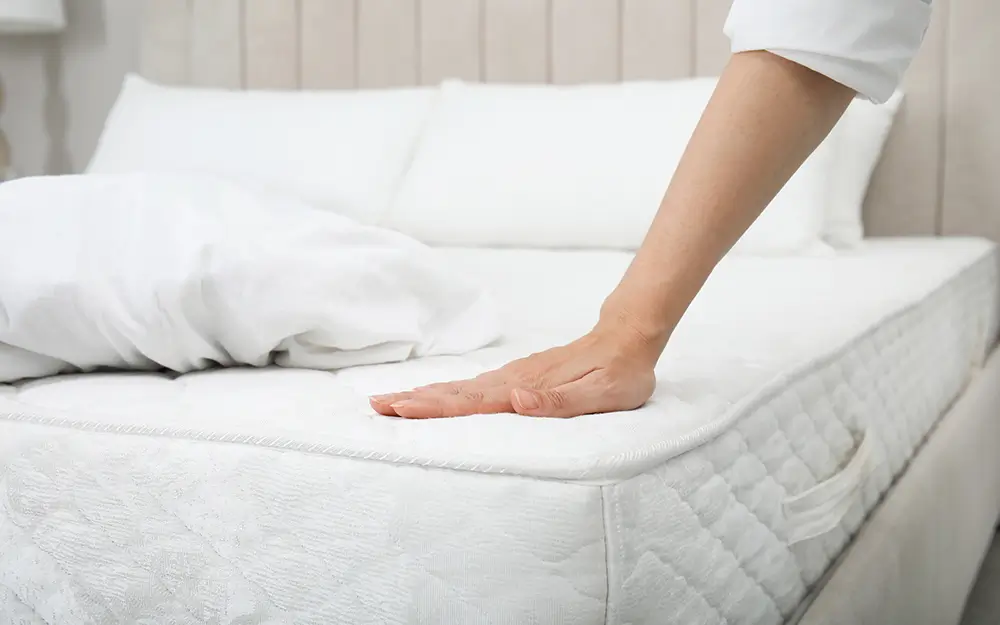
Most hotel mattresses sit toward the medium–firm to firm end of the scale. These firmness levels offer the best balance of comfort, durability and support for a wide range of guests, which is essential in high-turnover hospitality environments.
Hotels typically avoid very soft mattresses because they:
- Compress faster under varied body weights
- Show signs of wear earlier, increasing replacement frequency
A firmer feel performs better across different guest profiles. A lighter sleeper may find a firm mattress slightly more supportive than they’re used to, but they’ll still experience adequate support. In contrast, a heavier sleeper on a very soft mattress may experience ‘bottoming out’, which compromises comfort and reduces the structural lifespan of the mattress.
Many hotel mattresses also feature tufting, which pulls the internal layers tightly together. This not only creates a slightly firmer feel but also helps minimise settlement over time - a crucial factor when a mattress is expected to maintain its structure through continuous guest use.
What affects the firmness of a hotel quality mattress?
Three different parts of the mattress affect the firmness of a mattress - the support unit, the comfort fillings and the mattress surface:
Support unit:
- Pocket springs - Provide consistent, long-lasting support and help retain firmness over time
- Foam bases - Lighter and easier to handle, but typically soften more quickly under heavy use
Comfort fillings:
- Polyester or natural fibres - Breathable and help regulate temperature but often feel slightly firmer at first
- Foams (memory, gel, latex) - Offer excellent pressure relief but may feel warmer and softer than fibres at first
Mattress surface:
- Tufted finishes - Firmer feel, better long-term shape retention.
- Micro-quilted finishes - Provide a softer, smoother feel.
What mattress sizes do hotels use?
Many hotels use European mattress sizes because they offer a consistent 200cm length across all widths. This standardisation makes room planning easier and allows hotels to combine two singles to create a superking bed - a common practice in both mid-range and premium hotels.
Using mattresses of equal length also creates a more uniform, consistent look across rooms, which supports brand standards and simplifies housekeeping.
That said, if a room only uses a single bed size, either UK or European dimensions can work, as long as the bed frame, layout and guest needs are considered.
Across the UK hospitality sector, the most common choices are:
- Budget and mid-range hotels - UK or European double and king size mattresses
- Premium and luxury hotels - UK or European king size and superking mattresses to enhance comfort and reduce partner disturbance, therefore improving overall sleep quality.
It’s also important to remember that a standard UK double gives two adults less sleeping space per person than a cot. Upsizing where possible significantly improves sleep quality and guest satisfaction.
Whenever room size allows, choose the largest bed that still maintains safe access and efficient housekeeping flow. A larger sleep surface almost always leads to better sleep, better reviews and a more premium guest experience.
Things to consider when selecting hotel mattress sizes
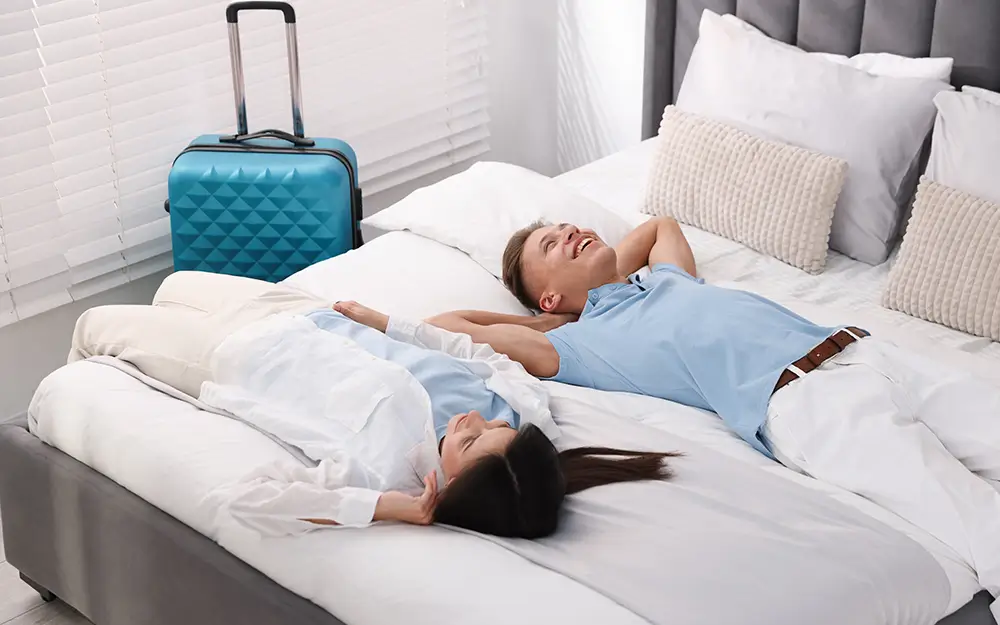
- Room planning considerations - Ensure there is adequate space around the bed for guests and housekeeping teams to move safely and luggage placement
- Accessibility requirements - For wheelchair-accessible rooms, it’s your responsibility to ensure sufficient clearance around the bed in line with accessibility guidelines.
- Guest comfort and sleep quality - Although smaller beds can make a room appear more spacious, they also increase the likelihood of partner disturbance, especially in an unfamiliar environment. If space allows, always opt for a king or larger.
Hotel mattress size guide
| Bed / Mattress Size | Imperial | Metric |
| European Single | 3' x 6'6" | 90cm x 200cm |
| European Double | 4'7" x 6'6" | 140cm x 200cm |
| European King | 5'3" x 6'6" | 160cm x 200cm |
| UK Single | 3' x 6'3" | 90cm x 190cm |
| UK Small double | 4' x 6'3" | 120cm x 190cm |
| UK Double | 4'6" x 6'3" | 135cm x 190cm |
| UK King size | 5' x 6'6" | 150cm x 200cm |
| UK Superking | 6' x 6'6" | 180cm x 200cm |
What types of mattresses do hotels use?
Hotels typically use contract mattresses - commercial-grade models built for durability, fire safety and comfort.
Hotel contract mattresses must meet Crib 5 (Source 5 / Medium Hazard) fire safety standards and are strongly recommended for all hotels and hospitality settings
Designed for heavy, daily use, hotel-quality mattresses need to withstand:
- High guest turnover
- A wide variety of sleepers
- Regular cleaning and rotation
Most hotels choose medium to firm and firm mattresses because they support a wider range of body shapes and sizes, reduce the amount of sagging and settlement, and offer the enhanced durability needed to cope with hotel-level use.
Mattress layers explained
Understanding how each layer works helps you choose a hotel mattress that balances comfort, durability and cost.
Support layers
These form the base of the mattress and have the biggest impact on firmness, longevity and overall stability.
| Support Material | Benefits | Things to consider |
| Springs (open coil or pocket springs) | Consistent support throughout the mattress’ lifespan Wide range of firmness and price options Pocket springs reduce motion transfer and partner disturbance | Heavier and harder to move Open coil systems feel bouncier |
| Foam support (reflex foam) | Lightweight and easy to move Minimises motion transfer and partner disturbance | Softens over time, reducing support Can retain heat and feel very warm |
Comfort layers
These sit on top of the support system and provide the initial feel of the mattress when guests first lie down.
| Comfort Material | Benefits | Things to consider |
| Foam (memory foam, gel foam, latex) | Excellent pressure relief Contours to the body for cushioned comfort Maintains its shape well, reducing long-term settlement compared to lower-density foams. | Can retain heat and feel warmer |
| Fibres (polyester or natural fillings) | Breathable and temperature-regulating - ideal as core body temperature must drop to fall asleep Often feels fresher and cooler | Can settle and compress more quickly than foam |
What makes a hotel mattress durable?
Durability is one of the most important factors when choosing a replacement hotel mattress. A hotel bed must maintain its performance under hundreds of sleepers per year, depending on occupancy and turnaround speed.
Higher guest turnover means faster wear and hotel mattresses experience very different stresses compared to domestic use. Guests often:
- Sit on the edge of the bed like a sofa, placing excess pressure on the sides
- Unpack heavy luggage on the mattress surface
- Use the bed less carefully than they would at home
On top of this, a hotel mattress must retain structure despite mixed sleeper weights, shapes and sleeping habits. It also needs to withstand daily housekeeping routines, lifting, rotating and regular cleaning after spills or accidents.
Key durability features hotels look for:
- Hard-wearing cover fabrics - resistant to scuffs, snags and commercial-level cleaning
- Reinforced edge support - essential where guests sit most frequently
- Tufted construction - keeps fillings evenly distributed over time
- Double-sided mattress models- extend lifespan through rotation and flipping
- Well-placed turning handles - help housekeeping rotate or flip mattresses safely and efficiently
How often do hotels replace their mattresses?
Most hotels follow a commercial mattress replacement cycle of around 7 years, depending on occupancy rates and visible wear. As a benchmark, Premier Inn typically replaces its mattresses every 6 years, which aligns with the demands of high-turnover hospitality environments.
How to spot when a hotel mattress needs replacing
Check mattresses every few months for early signs of wear, including:
- Sagging or dipping, especially in high-use areas
- A noticeable reduction in overall height
- Guest complaints about comfort, support or sleep quality
Rooms with higher occupancy will naturally experience faster wear, so these mattresses may need replacing more frequently.
Operational considerations
Most hotels purchase mattresses in bulk, ensuring consistency across rooms and simplifying long-term planning. Because of this, replacements are often scheduled strategically to:
- Maintain brand standards across all rooms
- Avoid unnecessary room downtime
- Spread costs across financial years
How to extend a hotel mattress’ lifespan
To help reduce replacement costs, I recommend choosing double-sided mattresses, as regular flipping and rotating keep the fillings evenly settled and prolongs performance.
Hotel mattress compliance and regulations
Hotels are classed as commercial properties, which means you must meet higher fire-safety expectations than domestic properties. It is strongly recommended that all hotel mattresses comply with Crib 5 (Source 5) fire standards, as outlined in the following acts:
- UK Furniture and Furnishings (Fire) (Safety) Regulations 1988[1]
- Furniture and Furnishings (Fire) (Safety) (Amendment) Regulations 2025: UK[2]
What Crib 5 compliance means
Crib 5-approved mattresses, also known as contract mattresses, have passed the required fire-resistance tests for commercial environments. These tests significantly reduce the speed at which flame spreads, offering essential protection for both guest safety and property safety.
Why hotels are recommended to use Crib 5 mattresses
Many insurers require contract hotel beds and mattresses as part of their policy conditions. During fire-risk assessments, local fire officers may also expect - or insist on - Crib 5 compliance to ensure your accommodation meets appropriate safety standards.
To understand Crib 5 in more detail, including how testing works and what hotels need to look for, I recommend reading our full Crib 5 guidance.
Hotel mattress hygiene & cleaning requirements
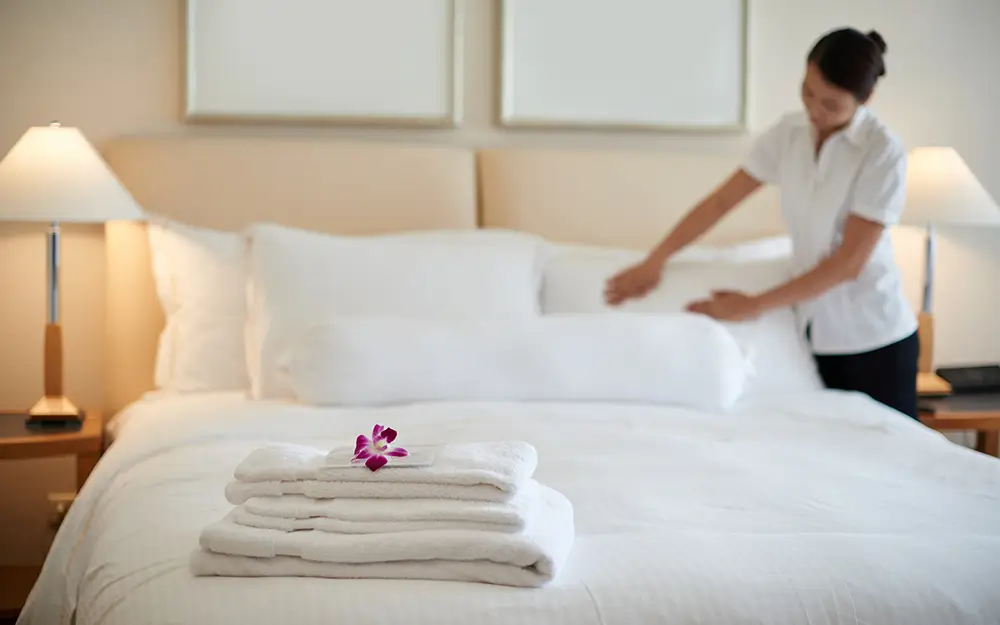
Hotels operate under stricter hygiene expectations than standard holiday lets, with rooms needing to be guest-ready every day. Cleaning routines vary by property size, but typically include:
- Daily housekeeping cycles, from full cleans to mid-stay refreshes
- Frequent bedding changes, often multiple times per week
- Immediate spot-cleaning of mattresses and beds as required
Protecting the mattress
I strongly recommend using a waterproof mattress protector on every bed. Older protectors had a shiny, plastic feel, but modern designs are far more breathable and comfortable, giving guests a better sleep experience while protecting your investment.
Rotation, flipping and handling
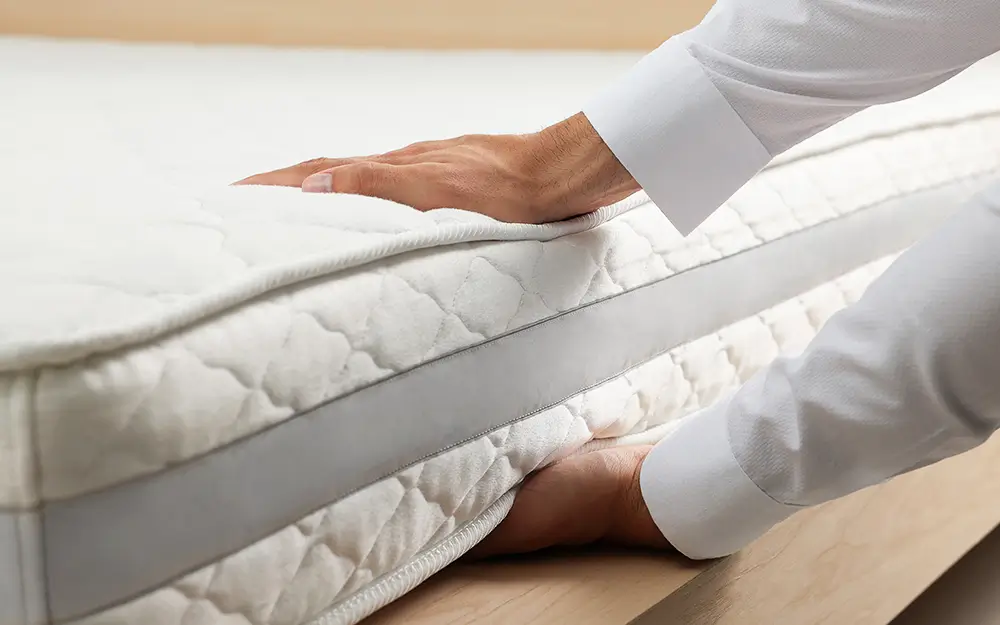
Rotating (and flipping, if applicable) keeps fillings evenly settled and extends mattress lifespan. To make this manageable for housekeeping teams, look for mattresses with reinforced handles stitched into the sides.
Where possible, choose double-sided mattresses, as they offer significantly better durability and more even settlement over time.
Recommended hotel mattress cleaning schedule
Between guest stays:
- Wash all bedding and pillow protectors
- Check the mattress for spills, stains or odours
- Spot-clean as needed (ensuring it dries fully before the next check-in)
- Rotate or flip if required
- Air the mattress before re-dressing
- Replace any stained protectors
Every quarter:
- Deep-clean the mattress and bed frame
- Inspect for wear, sagging or persistent odours
- Replace protectors that are torn or worn
- Refresh protectors more frequently during hot weather, when guests sweat more
Which mattresses do hotels use?
Many UK hotel chains work with established contract mattress manufacturers to supply their rooms. These are often brands the public already recognises, but the commercial-grade versions used in hotels are different from domestic models sold to consumers.
Hotel groups typically select mattresses through internal procurement processes or approved supplier lists. Some chains use a single brand across all locations for consistency, while others allow individual hotels to choose from a set of authorised manufacturers. In every case, the mattresses supplied are contract-grade, built to withstand commercial use and to meet Crib 5 fire-safety requirements.
What mattresses do Travelodge use?
Travelodge uses mattresses specifically created by Sleepeezee for the chain. Their king-size models, known as the Travelodge Dreamer™, include more than 950 pocket springs and hypoallergenic fillings.
What mattresses do Premier Inn use?
Premier Inn mattresses were previously supplied by Hypnos, but more recently, Premier Inn uses models produced by Silentnight. The Premier Inn Mattress 2.0 features 1000 pocket springs, a temperature-regulating pillow top containing a responsive Geltex comfort layer.
What mattresses do Hilton hotels use?
Hilton partners with Serta, who manufacture the Hilton Serenity Bed. This mattress includes reinforced edges for stability and a coil system designed to minimise motion transfer.
Mattress models can vary between locations, as each Hilton may select from an approved mattress supplier list.
What mattresses do Marriott hotels use?
Marriott also offers hotels a choice from an approved list of contract mattress suppliers, so the exact model varies by property.
Mattress brands used by selected hotel chains
| Hotel chain | Mattress brand |
| Premier Inn | Silentnight |
| Travelodge | Sleepeezee |
| Hilton | Varies, but usually Serta |
| Marriott | Varies |
Hotel mattress buying checklist
If you're sourcing or replacing mattresses for your hotel, guest house or B&B, use this checklist to ensure every purchase meets hospitality standards.
1. Fire & safety compliance
- Confirm the mattress is Crib 5 / Source 5 compliant
- Check labels and certification from the manufacturer
- Ensure the model aligns with your insurance requirements and fire-risk assessment
2. Durability essentials
- Contract-grade construction
- Reinforced edge support
- Tufted finish (for better long-term settlement)
- High-density foam or resilient pocket springs
- Hard-wearing, easy-clean cover fabric
- Double-sided, where possible, for improved lifespan
- Sturdy, well-placed rotation handles for housekeeping
3. Comfort & firmness
- Choose medium to firm or firm to suit the widest range of guests
Select fillings that match your needs:- Fibres for a cooler, fresher feel
- Foam for contouring and pressure relief
- Avoid very soft options; they wear faster and reduce support
4. Sizing & room planning
- Confirm whether your property uses UK or European sizes
- Ensure consistent lengths across rooms (many hotels use 200 cm-long European sizes)
- Choose the largest size that comfortably fits the room layout
- Allow space for guests, accessibility needs and housekeeping flow
- If using zip-and-link setups, ensure both mattresses match in height and firmness
5. Housekeeping & hygiene
- Use waterproof mattress protectors on every bed
- Check that the mattress weight and construction are manageable for your team
- Follow manufacturer guidance for rotation or flipping
- Ensure spare protectors and bedding fit the chosen mattress size
- Look for mattresses with antibacterial or anti–bed bug treatments to support hygiene and reduce the risk of bed bugs.
- Check that the mattress fabric includes the required commercial fire-retardant treatments to help maintain safety and compliance.
6. Replacement planning
- Set a 6–7 year replacement cycle (adjust for occupancy levels)
- Inspect mattresses every few months for sagging, dipping or odours
- Schedule replacements in batches to maintain consistency across rooms
- Keep a simple log of installation dates and rotation schedules
7. Supplier & specification notes
- Confirm the product is contract grade, not domestic
- Record model names, specifications and heights to ensure consistency
- If mixing suppliers, check compatibility across firmness, settlement behaviour and sizing
Ultimately, hotel-quality mattresses are engineered to meet the demands of high-turnover hospitality settings. Prioritising commercial-grade, Crib 5-compliant options ensures safer rooms, fewer replacements and a consistent guest experience.
Looking for Crib 5 approved mattresses and beds for your hotel or B&B? Explore our trade-approved ranges:
For more up-to-date trade insights, visit the Trade Advice Hub for expert guides on product selection and compliance.
References:
- The Furniture and Furnishings (Fire) (Safety) Regulations 1988 (no date) legislation.gov.uk. Available at: https://www.legislation.gov.uk/uksi/1988/1324/contents.
- Furniture and Furnishings (Fire) (Safety) (Amendment) Regulations 2025: UK (no date) GOV.UK. Available at: https://www.gov.uk/government/publications/furniture-and-furnishings-fire-safety-regulations/furniture-and-furnishings-fire-safety-amendment-regulations-2025-uk.
About our Team
 Fact Checked
A University of Oxford-trained sleep specialist and published researcher, Hannah's dedicated to improving your sleep through evidence-backed advice and product insights.
Sales Enquiries
Mon-Sat: 9:30am - 5:30pm
Sunday: 10am - 4pm
Customer Service
Mon-Sat: 09:30am - 17:30pm
Sunday: Closed
customerservice@mattressonline.co.uk


